


What Is Blend Coffee? How Is It Made and Why Is It So Popular?
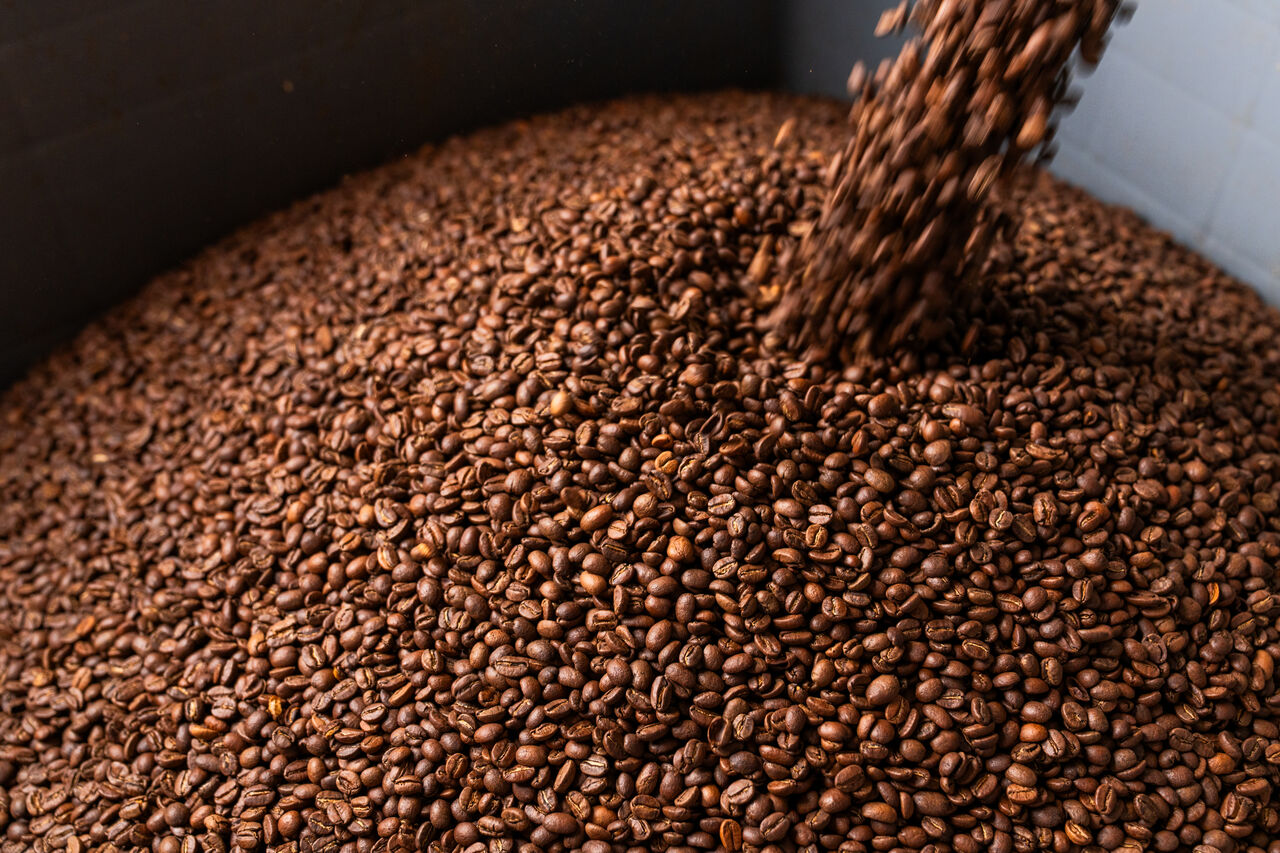
When you first step into the world of coffee, one of the first terms you'll encounter is blend coffee. Behind the balanced, rich, and consistent flavors in your cup often lies a carefully crafted coffee blend. But what exactly is blend coffee, how is it created, and why is it such a popular choice among coffee lovers? Let's explore everything you need to know.
What Is Blend Coffee?
Blend coffee is a mixture of two or more coffees sourced from different regions, farms, or processing methods, combined in specific proportions to create a unique flavor profile. The primary goal of blending is to balance flavors, enhance complexity, and deliver a consistent coffee experience in every cup.
The concept of coffee blending has existed for centuries. Traditional Italian espresso culture is one of the best examples of the art of blending. Historical Italian roasters combined the full-bodied characteristics of Brazilian coffee with the floral notes of Ethiopian beans, the bright acidity of Colombian coffee, or the earthy intensity of Vietnamese coffee to create distinctive signature blends. Today, this tradition continues among specialty coffee roasters around the world.
A simple way to understand coffee blending is to think of an artist mixing colors on a canvas. Rather than relying on a single shade, they combine multiple colors to create a richer and more complete picture. Coffee blenders work in much the same way, combining the strengths of different beans to create a flavor profile that no single coffee could achieve on its own.
Why Is Coffee Blended?
There are several important reasons why coffee roasters create blends.
Consistency
Coffee is an agricultural product, and flavor characteristics can vary from harvest to harvest due to weather conditions and seasonal factors. Blending helps minimize these variations, allowing roasters to maintain a consistent flavor profile year after year. For many coffee brands, consistency is essential to building customer trust and brand identity.
Complexity
Different coffees contribute different flavor characteristics. Some offer chocolate and caramel notes, while others bring fruit-forward acidity or floral aromas. Combining these coffees creates a layered and complex cup with greater depth and balance.
Cost Efficiency
Blending allows roasters to combine premium specialty coffees with more affordable beans, creating a high-quality product that remains accessible to a broader audience. This approach is commonly used by both independent roasters and large coffee chains.
Espresso Performance
Blend coffees are particularly popular for espresso-based beverages such as lattes, cappuccinos, and flat whites. They provide the body, sweetness, and balance needed to stand up to milk while maintaining their flavor characteristics. A well-designed blend often delivers rich chocolate, caramel, and nutty notes that shine through even in milk-based drinks.
How Is Blend Coffee Made?
Creating a blend involves several stages, from selecting green coffee beans to roasting, testing, and refining the final recipe.
1. Coffee Bean Selection
The first step is choosing coffees that complement one another. Each component plays a specific role within the blend.
For example:
Brazil Santos: Nutty and chocolate notes, high body, low acidity
Ethiopia Yirgacheffe: Floral, bergamot, and fruity notes with vibrant acidity
Guatemala Antigua: Caramel, cocoa, and spice notes with medium body
Colombia Huila: Sweetness, bright acidity, and hints of apple and citrus
Before blending, each coffee is usually tasted individually to understand its unique characteristics and determine how it will contribute to the final blend.
2. Roasting Profile
There are two primary methods used when roasting blend coffee.
Pre-Blend Roasting
In this method, green coffee beans are mixed together before roasting. While this approach is efficient, it can lead to uneven roasting because different beans may require different roasting conditions.
Post-Blend Roasting
With post-blend roasting, each coffee is roasted separately according to its ideal roasting profile and then blended afterward. Although more labor-intensive, this method provides greater control over flavor development and is widely preferred by professional specialty coffee roasters.
3. Blend Ratios and Testing
Blending coffee is both an art and a science. Roasters experiment with different percentages of each coffee and conduct multiple tasting sessions to evaluate aroma, acidity, sweetness, body, and aftertaste.
Most coffee blends contain between two and five different origins. Developing a successful blend can take weeks or even months of testing and refinement before the desired flavor profile is achieved.
4. Grinding and Brewing
To get the best results from a blend coffee, proper grinding is essential.
Fine grind for espresso
Medium grind for drip and filter coffee
Coarse grind for French press
Freshness also plays a critical role. Coffee is generally best consumed within two to four weeks after roasting. Purchasing whole beans and grinding them immediately before brewing helps preserve aroma and flavor.
Easy Blend Coffee Recipe to Try at Home
Creating your own coffee blend at home is easier than many people think.
A simple beginner-friendly recipe includes:
60% Brazil coffee for body and chocolate notes
30% Colombia coffee for sweetness and balanced acidity
10% Ethiopia coffee for floral and fruity complexity
Mix the beans according to these ratios, grind them for your preferred brewing method, and enjoy a balanced cup with both richness and complexity.
You can adjust the proportions based on your personal taste preferences. Increasing the Ethiopian component will create a brighter and more floral profile, while adding more Brazilian coffee will produce a heavier body and deeper chocolate notes.
Keeping tasting notes throughout the process can help you refine your blend over time.
Blend Coffee vs Single Origin Coffee
One of the most common questions among coffee enthusiasts is whether blend coffee or single origin coffee is better.
The truth is that both have unique advantages.
Single Origin Coffee
Single origin coffees come from a specific region, farm, or harvest. They showcase the unique characteristics of a particular terroir and often offer highly distinctive flavor profiles.
Coffee enthusiasts often choose single origin coffees to explore the unique flavors of a specific growing region. These coffees provide transparency, traceability, and a deeper connection to the producer.
Blend Coffee
Blend coffees are designed to deliver balance, consistency, and versatility. They excel in espresso-based drinks and daily coffee consumption by providing a reliable flavor experience every time.
Blends are often more approachable and cost-effective than single origin coffees while still offering excellent quality and complexity.
If you enjoy exploring unique regional flavors, single origin coffee may be the better choice. If you prefer a balanced, dependable, and versatile cup, blend coffee is likely the ideal option.
Many coffee lovers keep both styles at home and choose between them depending on the occasion.
The Importance of Blend Coffee in Specialty Coffee
Blend coffee has remained a cornerstone of coffee culture for centuries. Creating a successful blend requires extensive knowledge of coffee origins, roasting, sensory evaluation, and flavor development.
Whether you're experimenting with your own recipes at home or enjoying expertly crafted blends from specialty coffee roasters, blend coffee offers a unique combination of balance, complexity, and consistency that continues to make it one of the most popular coffee styles in the world.
There may be many ways to brew great coffee, but starting with the right blend is often the first step toward creating the perfect cup.