


What Is a Flat White? How to Make the Perfect Flat White Coffee
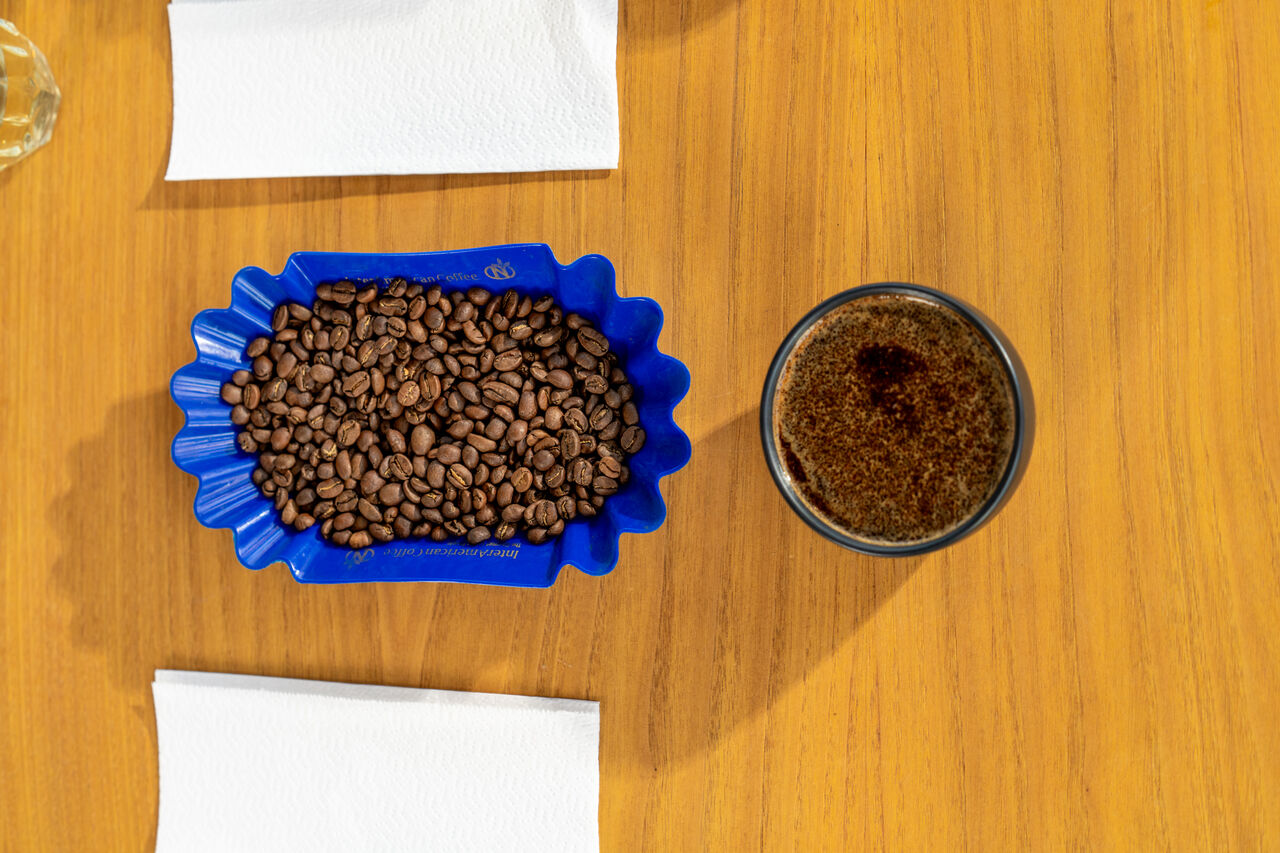
With the global rise of specialty coffee culture, the flat white has secured its place as one of the most popular espresso-based drinks on modern café menus. It appeals to those who enjoy the intensity of espresso while still appreciating the smooth, creamy texture of milk. Although it may appear simple at first glance, the flat white is a technically precise drink that requires skill and attention to detail.
But what exactly is a flat white, how does it differ from a latte or cappuccino, and how can you make the perfect flat white at home? Let’s explore everything step by step.
What Is a Flat White?
A flat white is an espresso-based coffee drink made with a double shot of espresso and a small amount of steamed milk with a velvety microfoam texture.
The word "flat" refers to the smooth, even surface of the drink, which lacks the thick, airy foam layer found in cappuccinos. Instead, the milk is integrated seamlessly into the espresso, creating a silky and uniform texture.
The origins of the flat white are often debated between Australia and New Zealand, both of which claim to have invented it in the early 1980s. Regardless of its exact birthplace, the flat white emerged from the Southern Hemisphere café culture and later spread to the UK, Europe, and global specialty coffee markets.
Today, it is a standard offering in cafés across cities like London, Melbourne, New York, and Tokyo.
A typical flat white is served in a 150–180 ml cup, making it smaller and more concentrated than a latte.
Flat White vs Latte: What’s the Difference?
Although they may look similar, flat whites and lattes differ significantly in size, texture, and coffee intensity.
Cup Size
A latte is usually served in a larger cup, typically between 240–360 ml. A flat white, on the other hand, stays much smaller at around 150–180 ml.
This makes the flat white a more concentrated coffee experience.
Coffee-to-Milk Ratio
A latte contains more milk, which softens the espresso flavor and makes it more subtle.
A flat white uses less milk, allowing the espresso character to remain more prominent. This makes it ideal for those who want a stronger coffee presence without drinking a straight espresso.
Milk Texture
Both drinks use steamed milk, but the flat white requires a finer, more velvety microfoam. The milk is less airy and more integrated into the espresso compared to a latte.
Serving Style
Lattes are typically served in tall glasses or large cups, while flat whites are served in smaller ceramic cups (usually 150–160 ml), emphasizing concentration and balance.
In short, the flat white is the smaller, stronger, and more coffee-forward sibling of the latte.
How Many Espresso Shots Are in a Flat White?
A traditional flat white is made with a double shot of espresso, approximately 60 ml in total.
Some baristas prefer using ristretto shots instead of regular espresso. A ristretto is a shorter, more concentrated extraction that reduces bitterness and enhances sweetness, bringing out chocolate and caramel notes.
While some variations may include a third shot, this is not considered traditional. The classic flat white is built on a double shot foundation, optionally using ristretto for a richer profile.
How to Make a Flat White
Making a proper flat white requires two essential skills: high-quality espresso extraction and precise milk steaming.
Ingredients
Espresso beans (medium-dark roast or espresso blend recommended)
150 ml fresh whole milk (cold)
Espresso machine with steam wand
150–160 ml ceramic cup
Step 1: Pull the Espresso
Grind your coffee finely and dose 18–20 grams into the portafilter.
Extract a double shot of espresso in about 25–30 seconds, yielding approximately 60 ml. The crema should be smooth, rich, and consistent.
For a ristretto version, aim for 40 ml with a shorter extraction time of 20–25 seconds.
Step 2: Steam the Milk
Pour about 150 ml of cold milk into a steaming pitcher.
Start steaming by introducing a small amount of air at the surface, then submerge the wand deeper to create a vortex.
The goal is a silky microfoam with no large bubbles. The ideal temperature is between 60–65°C.
Proper flat white milk should look glossy, smooth, and paint-like in texture.
Step 3: Combine Espresso and Milk
Let the milk rest briefly and gently tap the pitcher to remove any large bubbles.
Pour the milk slowly into the espresso, aiming for a seamless integration rather than a thick foam layer.
The surface should appear flat, smooth, and glossy. Basic latte art can be added, but simplicity is key to a flat white.
How to Make a Flat White at Home
Even without a professional espresso machine, you can still prepare a decent flat white at home.
Using a Moka Pot
A moka pot can produce a strong coffee base similar to espresso. Brew a concentrated coffee and use it as your espresso substitute.
Heat milk to around 60–65°C and froth it using a handheld milk frother to create microfoam. Combine equal parts coffee and milk.
Milk Tips
Whole milk produces the best microfoam due to its fat content and stability. If you prefer plant-based milk, barista-style oat milk is the closest alternative.
Fresh, cold milk always produces better texture and foam quality.
Cup Choice
A small ceramic cup helps maintain heat and preserves the texture of the drink. It also enhances the traditional flat white experience.
Calories in a Flat White
A flat white is one of the lower-calorie milk-based coffee drinks due to its small size and limited milk content.
A standard flat white contains approximately 90–120 calories when made with whole milk and no added sugar.
For comparison:
Latte: 150–200 calories
Flavored latte: 300+ calories
Plant-based versions vary depending on the milk used. Oat milk flat whites typically fall between 70–110 calories.
Why Coffee Lovers Choose Flat White
The flat white has become popular because it strikes a perfect balance between espresso intensity and milk smoothness. It delivers a strong coffee flavor without the heaviness of larger milk-based drinks.
It is small, concentrated, and carefully balanced—making it a favorite among those who appreciate both espresso clarity and silky texture.
Tips for the Perfect Flat White
Preheat Your Cup
Warming the cup before pouring helps maintain temperature and prevents flavor loss.
Do Not Overheat the Milk
Milk should never exceed 65°C. Overheating destroys sweetness and creates a burnt taste.
Combine Quickly
Espresso should be mixed with milk immediately after extraction to preserve crema and balance.
Final Thoughts
A flat white may look simple, but it represents one of the most precise combinations in coffee culture. When properly prepared, it delivers a rich espresso base wrapped in silky microfoam, creating a drink that is both bold and smooth.
Whether enjoyed at a specialty coffee shop or made at home, a well-crafted flat white is a small cup with a highly refined coffee experience.