


What Is a Barista? Duties, Responsibilities, Skills, and Career Guide
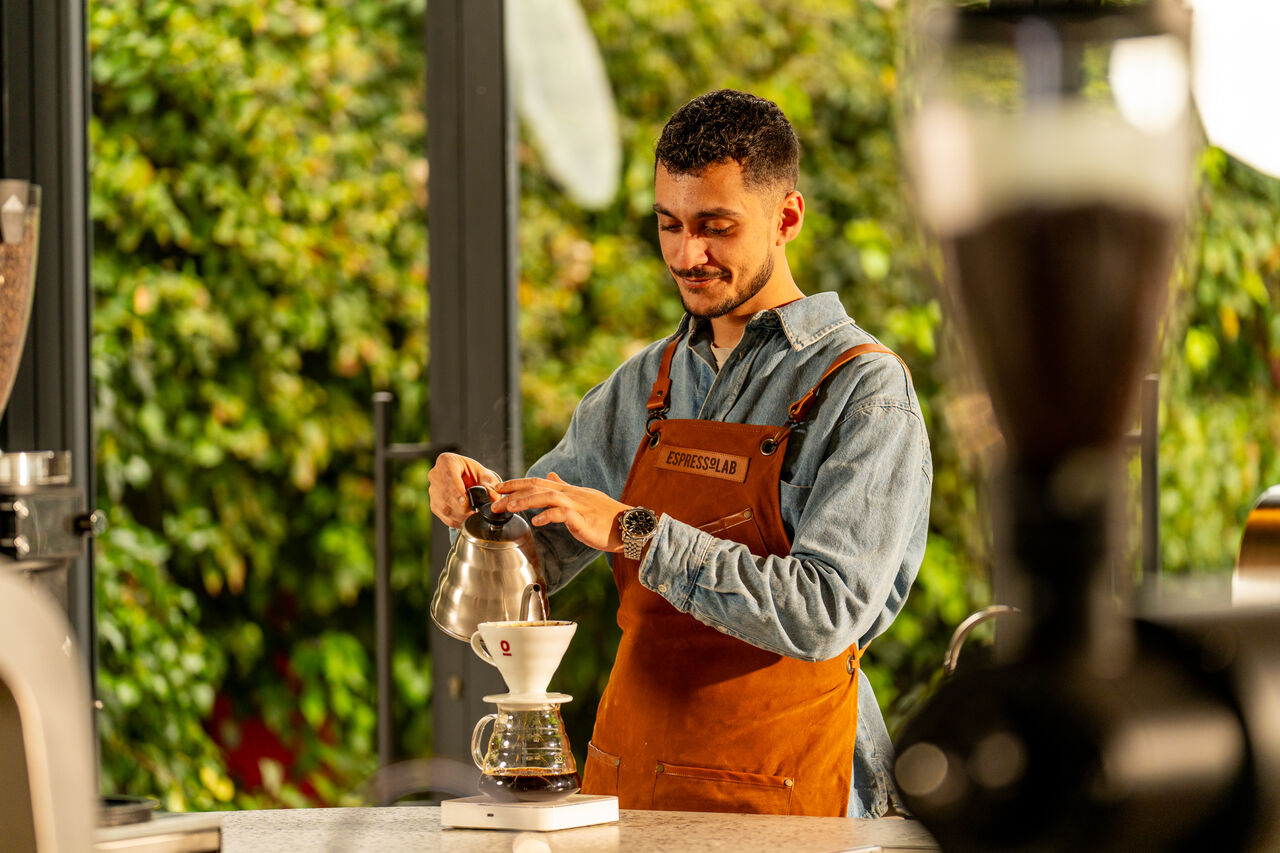
As coffee culture continues to grow around the world, the term "barista" has become increasingly common. However, many people still wonder what a barista actually does, what skills are required for the profession, and how to become a barista. Is a barista simply someone who makes coffee, or does the role involve a deeper level of expertise?
What Is a Barista?
The word "barista" originates from Italian and traditionally means "bartender" or "bar attendant." In Italy, a barista prepares and serves a variety of beverages, including coffee, alcoholic drinks, and soft drinks. Outside of Italy, however, especially within the specialty coffee industry, the term has evolved into a more specialized profession.
Today, a barista is a coffee professional who expertly operates espresso equipment, understands the journey of coffee from bean to cup, textures milk correctly, and enhances the customer experience through both technical skill and hospitality. A modern barista combines coffee knowledge, sensory expertise, and excellent customer service.
What Does a Barista Do?
While a barista’s responsibilities may vary depending on the coffee shop, café, or specialty coffee business they work for, several core duties remain consistent.
Espresso Preparation
Espresso is at the heart of a barista’s daily work. Preparing a high-quality espresso requires the correct grind size, proper dosing, consistent tamping pressure, and careful monitoring of extraction time. Even small changes in these variables can significantly affect the final cup.
Milk Steaming and Latte Art
For milk-based beverages such as lattes, cappuccinos, and flat whites, baristas must steam milk to the correct temperature and texture. In addition, many baristas practice latte art, creating designs such as hearts, rosettas, and tulips on the surface of espresso drinks. Latte art requires both technical precision and creativity.
Equipment Maintenance
A barista is responsible for cleaning and maintaining espresso machines, grinders, and brewing equipment. Regular maintenance ensures consistent beverage quality and extends the lifespan of expensive coffee equipment.
Inventory Management
In many independent coffee shops, baristas monitor stock levels of coffee beans, milk, syrups, cups, and other supplies. They may also assist with ordering and inventory control.
Customer Service
Baristas interact directly with customers throughout the day. Recommending beverages, explaining coffee origins, and creating a welcoming atmosphere are all important aspects of the role. Great customer service helps transform a simple coffee purchase into a memorable experience.
Essential Barista Skills
Becoming a professional barista requires much more than following coffee recipes. Successful baristas develop both technical and interpersonal skills.
Technical Skills
Coffee Knowledge
A skilled barista understands coffee origins, processing methods, roasting profiles, and how these factors influence flavor. Knowing the differences between Ethiopian and Brazilian coffees or natural and washed processing methods allows baristas to better educate customers and improve beverage quality.
Equipment Proficiency
Baristas must be comfortable using espresso machines, grinders, pour-over brewers, French presses, and other coffee equipment. Understanding how each tool works is essential for producing consistent results.
Sensory Evaluation
Professional baristas use their senses to evaluate coffee quality. They can identify issues such as under-extraction or over-extraction by analyzing aroma, flavor, body, and aftertaste.
Consistency
One of the most important qualities of a successful barista is consistency. Customers expect the same quality in every cup, regardless of the time of day. Maintaining this consistency requires discipline, attention to detail, and experience.
Soft Skills
Communication Skills
Strong communication helps baristas build relationships with customers and create a positive café atmosphere. Friendly interactions often play a major role in customer loyalty.
Ability to Work Under Pressure
Busy morning rushes and long queues require baristas to remain calm, focused, and efficient. The ability to perform well under pressure is essential in fast-paced coffee environments.
Teamwork
In larger cafés, baristas work closely with cashiers, servers, kitchen staff, and managers. Effective teamwork improves workflow and enhances the overall customer experience.
How to Become a Barista
There are no formal academic requirements to become a barista. However, knowledge, hands-on experience, and passion for coffee are key factors for success.
Many aspiring baristas begin by working part-time or as trainees in coffee shops. Real-world experience provides valuable exposure to coffee preparation, customer service, and café operations. In addition, reading coffee literature, following specialty coffee trends, and continuously developing sensory skills can help baristas advance their careers.
Where Can You Get Barista Training?
There are many opportunities to receive professional barista training both online and in person.
Specialty Coffee Training Programs
Many specialty coffee companies offer structured barista courses covering espresso preparation, milk steaming, latte art, coffee theory, and equipment operation.
Specialty Coffee Association (SCA) Certifications
The Specialty Coffee Association (SCA) offers internationally recognized certifications in barista skills, brewing, sensory analysis, roasting, and coffee knowledge. These certifications can significantly enhance career prospects within the coffee industry.
Online Coffee Courses
Online learning platforms provide beginner and advanced coffee education through video lessons and interactive training modules. These programs are ideal for individuals looking to build theoretical knowledge before gaining practical experience.
Local Barista Workshops
Independent coffee trainers and coffee academies often offer hands-on workshops that provide practical training in espresso preparation, latte art, and café operations.
How Much Does a Barista Earn?
Barista salaries vary depending on location, experience level, certifications, and employer. Entry-level baristas typically earn wages close to the local minimum wage, while experienced baristas with advanced skills and certifications can command significantly higher salaries.
Specialty coffee shops and international coffee chains often offer more competitive compensation packages and opportunities for career advancement. In countries such as the United States and many Western European nations, tips can also contribute substantially to a barista’s income.
Why the Barista Profession Continues to Grow
The specialty coffee industry continues to expand globally, creating increasing demand for skilled baristas. Consumers are becoming more interested in coffee origins, brewing methods, and premium coffee experiences, making the role of the barista more valuable than ever.
A barista is far more than someone who prepares coffee. They are coffee professionals who combine technical expertise, sensory skills, creativity, and hospitality to create exceptional customer experiences. For individuals who enjoy learning, craftsmanship, and working with people, becoming a barista can be both a rewarding and fulfilling career path.
Steps to Become a Successful Barista
Learn about coffee origins, brewing methods, and roasting profiles.
Gain practical experience by working in a coffee shop.
Invest in professional barista training and certifications.
Practice milk steaming and latte art regularly.
Join coffee communities, events, and industry workshops to stay updated on trends and innovations.
Every cup of coffee presents a new opportunity to learn, improve, and perfect the craft of being a barista.