


Visiting Coffee Farms in Guatemala
A sourcing trip to the heart of Central America: GUATEMALA…
When talking about coffee-producing countries in Central America, Guatemala is often described as a powerhouse — a country that, for many years, was regarded as the leading producer until Honduras eventually overtook it.
Our trip to Guatemala coincided with the seasonal harvest, giving us the opportunity not only to taste and select coffees but, more importantly, to build relationships with producers.
There are many prominent coffee-growing regions in Guatemala, including Acatenango, Antigua, Atitlan, Coban, Fraijanes, New Oriente, San Marcos, and Huehuetenango.
The latter, considered the fastest-growing coffee region in Guatemala, became the main focus of our trip.
Huehuetenango is located in the western part of the country, sharing a border with Mexico.
Its high peaks, deep valleys, and the unique temperate climate shaped by the dry winds blowing in from the Tehuantepec Plains during harvest season make it an exceptional growing area.
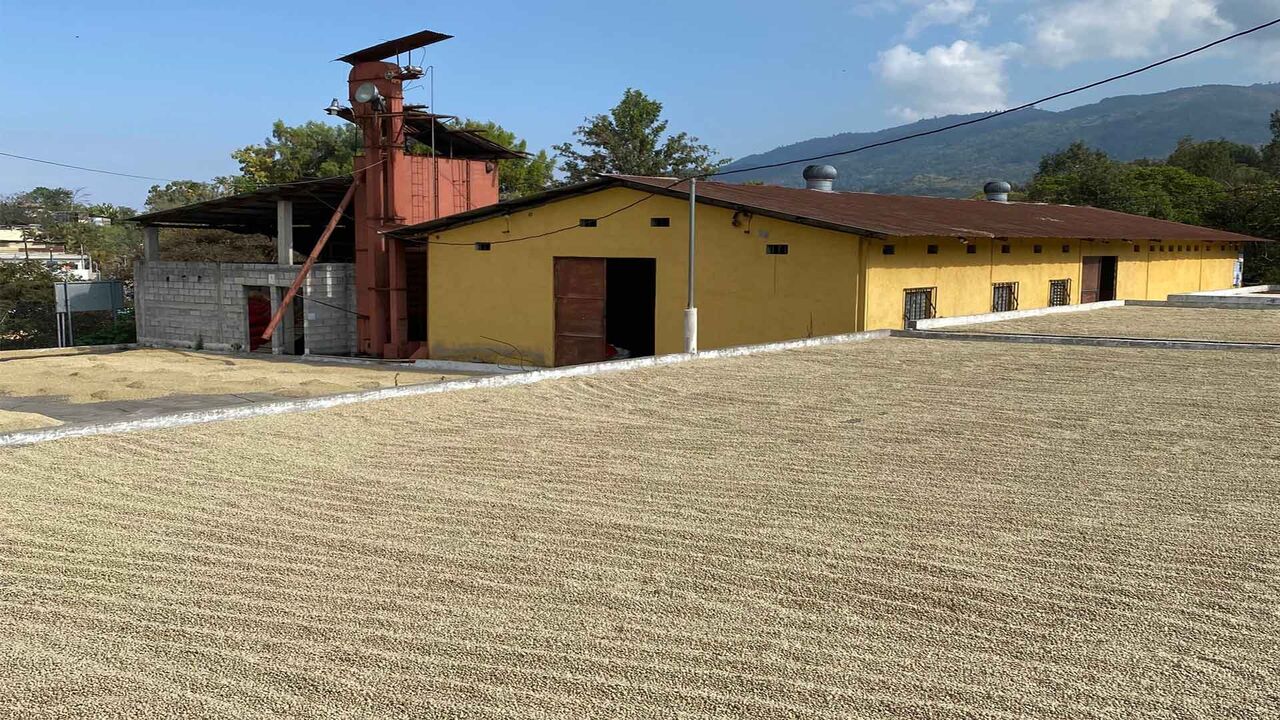
Due to the remoteness of the farms and the fact that many producers manage only small plots of land, a large number of them process their own coffee. Fortunately, the region has abundant water sources, making it easier for producers to set up their own mills. However, the scarcity of water in certain areas means producers have had to change how they process and use water.
Water-saving methods such as natural or honey processing are still not widespread in Guatemala, but producers are increasingly adopting these methods due to climate change and market demand.
In general, farms in this region are too small to produce large volumes on their own. With the help of coffee exporters, many small producers work collectively — some marketing unique microlots, others offering community blends.
It’s not uncommon to find a community of growers who are informally connected, sharing knowledge and support to harvest their coffee and continuously improve its quality. At this point, the support provided by exporters becomes especially important, particularly in sharing new techniques and technical knowledge that help enhance cup quality.
As in most producing countries, ongoing challenges remain due to both climate change and price pressures. Producers continue to express concerns about low coffee prices, and as a company, trips like these help us identify where we can support them.
By identifying producers who need help marketing their coffee, highlighting their ambitions and goals, and setting long-term purchasing commitments, we can help communities and individuals sustain their livelihoods while continuing to grow coffee.
After spending a few days in the coffee highlands, we returned to Guatemala City and got to work cupping a wide range of samples arriving at the lab. This is when you truly see the potential of the upcoming harvest — and since we were able to taste the coffees on site, we’re eagerly looking forward to some delicious lots.
Once the coffees we selected arrive at our warehouse later this year, we can’t wait to share more with you about the trip, the coffees, and the relationships we’ve built.