


A Journey Through Time: The History of Turkish Coffee
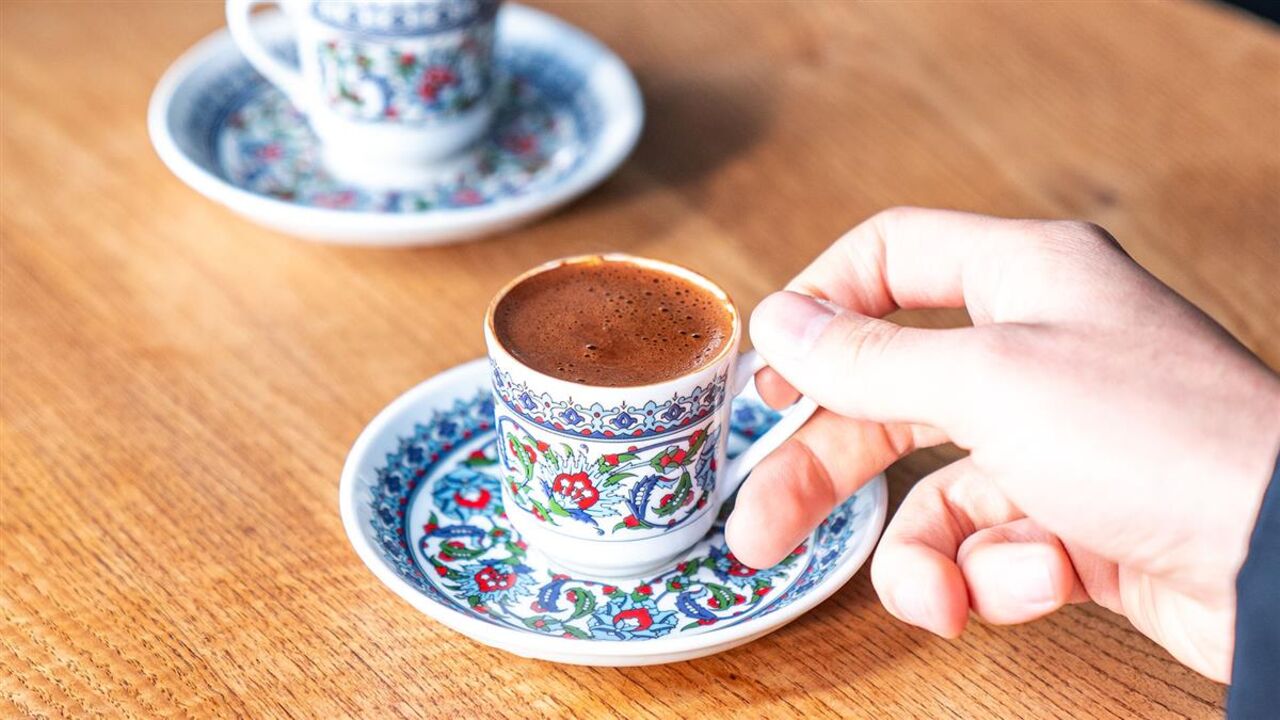
Coffee has held a special place in the lives of the Turkish people for the past 500 years. But how well do we really know the history of Turkish coffee? While its roots can be traced back to Ethiopia and its branches extend to Yemen on the Arabian Peninsula, coffee found its true identity in the Ottoman lands — and it was through the Turks that Europe was introduced to it. Since coffee first entered Türkiye in the mid-16th century, a passionate bond has formed between the Turks and this beverage. Although growing coffee plants in Türkiye is nearly impossible, the preparation method — from roasting the beans to brewing them in a cezve and pouring them into the cup — was developed by the Turks and became known worldwide as “Turkish Coffee.” Before the spread of filter brewing techniques, the Ottoman method of preparing coffee in a cezve became the most common brewing style across the world — from Boston to Vienna — leaving a lasting mark on the history of coffee.
The Ottoman Envoy Who Introduced Paris to Coffee: Hoşsohbet Süleyman Ağa
Europeans first encountered coffee through the writings of diplomats and travelers who visited the East, particularly Istanbul and other Ottoman cities. Many Europeans who came to the Ottoman Empire for various reasons brought coffee back with them to their homelands. In 1644, the first coffee beans — along with the utensils used to prepare and serve coffee — were introduced to Marseille by Monsieur de la Roque, who accompanied the French ambassador stationed in Istanbul. By 1660, merchants from Marseille began importing coffee to France after tasting and falling in love with it in Istanbul. In 1671, the first coffeehouse opened in Marseille. Initially frequented mainly by travelers and merchants, these coffeehouses soon became popular gathering places for people from all walks of life.
In 1669, Sultan Mehmed IV sent an envoy to King Louis XIV of France. This envoy, known as Hoşsohbet (The Good Conversationalist) Süleyman Ağa, was the man who introduced Paris to coffee. Among the belongings of the Ottoman ambassador were several sacks of coffee, which the French described as a “magical beverage.”
Süleyman Ağa quickly became the darling of Parisian diplomats. Being received as a guest of Süleyman Ağa for a cup of Turkish coffee — along with the unique culture and conversations that came with it — became a privilege for the Parisian aristocracy. With his stories about Turkish coffee and his engaging personality, Süleyman Ağa captivated everyone he met.
For Parisian diplomats and statesmen, receiving an invitation to enjoy Turkish coffee with Süleyman Ağa was considered a great honor.
The Arrival of Turkish Coffee in Europe and the Birth of Vienna’s Coffee Culture
Starting in the early 17th century, the Ottoman people played a pivotal role in introducing coffee—second only to water in their daily consumption—to major European cities such as Venice, Marseille, Paris, London, and beyond. They paved the way for its acceptance and growing popularity across the continent.
In 1683, the Ottoman army decided to retreat from the Siege of Vienna and left behind a sack of coffee at the city walls—considered worthless by Austrian soldiers. However, Georg Franz Kolschitzky, a commander who had served as a spy for both sides, claimed the sacks as a reward for his services.
Drawing on the brewing techniques he had learned during his travels to the Ottoman Empire, he roasted and ground the beans, then combined them with hot milk and sugar to create the first “Viennese coffee.” The new drink was met with great enthusiasm, quickly becoming a beloved staple among the Viennese, and laying the foundations of Austria’s coffee culture. While in Türkiye a single cup of coffee was said to carry forty years of memory, in Vienna, a single cup helped change the course of nations. This cultural shift inspired theories, medical writings, and artistic works that spread across the city’s squares. Even today, a statue of Kolschitzky—depicted serving coffee in a Janissary uniform—stands proudly on the streets of Vienna. From its Ottoman origins, coffee first spread across Europe and then to the rest of the world.
In Türkiye, coffee is not only a drink but also a bearer of unique rituals and traditions passed down through generations, playing a significant role in social life and cultural continuity. The French traveler Jean de Thévenot, who visited Ottoman Türkiye in the 17th century, tasted coffee for the first time and described its preparation in remarkable detail, closely resembling how it is made today. In the 19th century, Italian writer Edmondo de Amicis, who lived in Istanbul for a time, marveled at the ubiquity of coffee: “Coffee is everywhere now — on top of Galata and Serasker Towers, on all the ferries, in cemeteries, barbershops, baths, and bazaars.
No matter where you are in Istanbul, you don’t even have to search for it. Just shout ‘Kahveci!’ and within three minutes, a steaming cup of coffee will be brought to you.”
How Turkish Coffee Has Been Prepared Throughout History
When it comes to its preparation, Turkish coffee goes through a meticulous process. The beans are roasted, cooled in special containers, then ground either with a mortar and pestle or in a mill, making them ready for brewing. Coffee is roasted all over the world and can be ground coarse or fine. What makes it Turkish coffee, however, is the series of unique steps it undergoes — from roasting to grinding, fermentation, and most importantly, its distinctive brewing method. Another defining feature is its ceremonial aspect: whether served alone or to a gathering, Turkish coffee is deeply intertwined with rituals of hospitality and shared moments. Throughout history, Turkish coffee was brewed using an ibrik, a traditional small pot. Today, it’s typically prepared in a cezve, a long-handled pot with a narrow neck and a wider base, designed specifically for this method. Although electric cezves have become increasingly common in recent years, true Turkish coffee enthusiasts remain devoted to the traditional way.